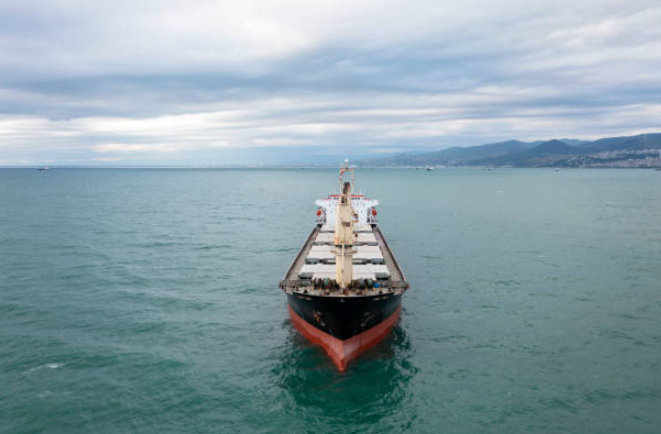

Marine vessels operate in some of the most demanding environments, where safety, reliability, and efficiency are essential. Every system on a boat or ship contributes to successful operation, but one area that often receives less attention than engines or navigation equipment is ventilation. Proper airflow management is a critical part of vessel design because it protects equipment, improves performance, and creates safer operating conditions.
Ventilation marine systems are specifically designed to control airflow within different areas of a vessel, including engine compartments, cabins, storage spaces, and equipment rooms. These systems help remove excess heat, control humidity, reduce harmful vapors, and provide fresh air where needed.
Unlike standard ventilation systems used in buildings or vehicles, marine ventilation solutions must withstand unique challenges such as saltwater exposure, vibration, limited space, and changing weather conditions. This makes specialized engineering essential for reliable performance.
Understanding the role of ventilation marine technology helps boat owners, manufacturers, and marine professionals make better decisions when designing, upgrading, or maintaining vessels.
What Is Ventilation Marine Technology?
Ventilation marine technology refers to systems and components designed to regulate airflow in marine environments. These systems are engineered to move air efficiently while protecting vessels from heat buildup, moisture, and potentially dangerous gases.
Marine ventilation can include:
- Engine room ventilation systems
- Intake and exhaust vents
- Marine blowers
- Air circulation systems
- Ventilation ducts
- Cooling airflow solutions
- Custom ventilation designs
Each component works together to maintain a balanced environment throughout the vessel.
The main objectives of ventilation marine systems include:
- Providing fresh air for engines
- Removing hot air from enclosed spaces
- Preventing fuel vapor accumulation
- Protecting electrical and mechanical components
- Improving onboard comfort
- Supporting safe vessel operation
See also: There’s No Dihexa Dose to Hand You, and That’s the Whole Warning
Why Proper Marine Ventilation Is Essential
A vessel’s operating environment creates several challenges that require effective ventilation solutions. Unlike buildings with large open areas and continuous airflow, boats often have compact spaces where heat and moisture can quickly accumulate.
A properly designed ventilation marine system addresses these challenges by maintaining controlled airflow throughout the vessel.
Temperature Management
Marine engines generate significant heat during operation. Without proper ventilation, engine compartments can become excessively hot, affecting equipment performance and reliability.
High temperatures can damage:
- Electrical wiring
- Fuel systems
- Engine components
- Battery systems
- Sensitive equipment
A well-designed ventilation system removes hot air and introduces cooler air, helping maintain stable temperatures.
For example, a commercial vessel operating for long hours may experience increased engine room temperatures. Proper ventilation helps maintain equipment efficiency and reduces the risk of overheating.
Improved Engine Performance
Engines require sufficient oxygen for combustion. Poor airflow can reduce engine efficiency and create performance issues.
A ventilation marine system ensures that engines receive adequate airflow, allowing them to operate more effectively. This can contribute to better fuel efficiency and more consistent performance.
Enhanced Safety
Safety is one of the primary reasons marine ventilation systems are installed. Fuel vapors, exhaust gases, and heat can create dangerous conditions when trapped in enclosed areas.
Proper ventilation helps remove unwanted vapors and supports safer operation, especially before starting engines after the vessel has been inactive.
Protecting Marine Equipment
Marine equipment is exposed to moisture, heat, and vibration. Without proper airflow, these conditions can accelerate wear and reduce component lifespan.
Effective ventilation helps create a more controlled environment, protecting valuable onboard systems.
Key Components of Ventilation Marine Systems
A complete marine ventilation solution consists of multiple components designed to work together.
Marine Ventilation Fans and Blowers
Fans and blowers are essential components that actively move air throughout a vessel. They help remove hot air, circulate fresh air, and maintain proper ventilation levels.
Marine-grade blowers are designed to withstand vibration, moisture, and continuous operation.
Common applications include:
- Engine compartments
- Generator rooms
- Storage areas
- Electrical spaces
Intake Vents
Intake vents allow fresh air to enter enclosed areas. Their design must balance airflow requirements with protection against water intrusion and debris.
Proper placement of intake vents is important for achieving efficient circulation.
Exhaust Vents
Exhaust vents remove heated air, fumes, and unwanted gases from enclosed spaces.
A properly positioned exhaust vent improves airflow efficiency and helps maintain safer operating conditions.
Ventilation Ducts
Duct systems guide airflow between different areas of the vessel. They are especially important in larger boats and commercial vessels where airflow needs to be directed across multiple compartments.
Efficient duct design reduces airflow resistance and improves overall system performance.
Custom Ventilation Components
Different vessels have different requirements. Custom ventilation marine solutions allow engineers to design systems based on vessel layout, engine configuration, and operational demands.
Factors to Consider When Designing a Marine Ventilation System
Creating an effective ventilation system requires careful planning and understanding of the vessel’s specific needs.
Vessel Size and Design
A small recreational boat requires a different ventilation approach compared to a large commercial vessel.
Larger vessels often require more complex airflow management due to multiple engines, generators, and enclosed compartments.
Engine Requirements
Engine size and power output influence ventilation requirements. Larger engines generate more heat and require greater airflow capacity.
Proper system sizing ensures that engines receive sufficient air while preventing excessive heat buildup.
Operating Environment
Environmental conditions influence ventilation performance. Vessels operating in warm climates or tropical regions may require more advanced cooling solutions.
Saltwater environments also require materials and components that resist corrosion.
Noise Considerations
Ventilation systems must provide effective airflow while minimizing operational noise.
Modern marine designs focus on creating systems that balance performance with onboard comfort.
Industry Insights: Trends in Marine Ventilation Technology
The marine industry continues to advance as vessel owners seek safer, more efficient, and more environmentally responsible solutions. Ventilation technology is evolving alongside improvements in engines, electronics, and vessel design.
Energy-Efficient Ventilation Solutions
Modern ventilation systems are increasingly designed to provide effective airflow while consuming less energy.
Efficient fans, improved airflow designs, and automated controls help reduce power consumption while maintaining performance.
Smart Monitoring Systems
Technology advancements are allowing marine operators to monitor temperature, airflow, and ventilation performance more accurately.
Smart monitoring helps identify potential problems before they become major issues.
Improved Materials
Marine ventilation components must withstand harsh conditions. Manufacturers continue developing materials that offer better corrosion resistance, durability, and long-term reliability.
Custom Engineering Approaches
As vessels become more specialized, custom ventilation solutions are becoming increasingly common.
Custom designs help address challenges such as:
- Limited installation space
- Unique engine layouts
- Specialized operating conditions
- Performance requirements
Centek Marine Supporting Advanced Marine Ventilation Solutions
When selecting reliable marine ventilation components, quality engineering and industry expertise are essential. Centek Marine provides specialized marine solutions designed to support the needs of boat builders, manufacturers, and vessel owners.
With extensive experience in marine applications, Centek Marine focuses on developing products that deliver durability, performance, and reliability in demanding environments.
Whether a vessel requires standard ventilation components or customized solutions, working with experienced marine professionals ensures that systems are designed correctly and installed effectively.
Common Marine Ventilation Problems and Solutions
Even well-designed systems require regular attention. Understanding common problems helps vessel owners maintain reliable performance.
Restricted Airflow
Blocked vents, damaged fans, or poor duct design can reduce airflow efficiency.
Regular inspections help identify restrictions and ensure proper circulation.
Excessive Heat Buildup
High engine compartment temperatures may indicate insufficient ventilation capacity or system problems.
Improving airflow can help reduce heat stress on equipment.
Moisture and Corrosion
Marine environments expose ventilation components to moisture and salt. Corrosion-resistant materials and regular maintenance help prevent damage.
Equipment Failure
Fans, blowers, and other mechanical components may wear over time. Routine checks help identify failing components before they affect vessel operation.
Maintenance Practices for Ventilation Marine Systems
Regular maintenance is essential for keeping ventilation systems operating effectively.
Recommended practices include:
Inspect Ventilation Openings
Check vents regularly for dirt, debris, corrosion, or damage.
Test Fans and Blowers
Ensure that ventilation equipment operates correctly and provides adequate airflow.
Check Duct Connections
Inspect ductwork for leaks, loose connections, or damage.
Monitor Temperature Levels
Changes in engine room temperature may indicate ventilation problems.
Follow Manufacturer Guidelines
Following recommended maintenance schedules improves reliability and extends system lifespan.
Practical Example: Marine Ventilation in Commercial Operations
Commercial vessels often depend on ventilation systems for continuous operation. Fishing boats, charter vessels, and workboats may operate engines for extended periods, creating significant heat and airflow demands.
For example, a charter vessel operating multiple daily trips requires consistent engine room ventilation to protect equipment and maintain passenger safety. A properly designed ventilation system helps reduce heat buildup and supports reliable operation throughout the day.
This example demonstrates why ventilation should be considered a core component of marine system planning.
The Future of Ventilation Marine Systems
Future marine ventilation technology will continue to focus on efficiency, automation, and improved reliability.
Advancements are expected in areas such as:
- Automated airflow control
- Energy-efficient ventilation equipment
- Advanced monitoring systems
- Corrosion-resistant materials
- Integrated vessel management systems
As vessels become more technologically advanced, ventilation systems will play an increasingly important role in maintaining safe and efficient operation.
Conclusion Choosing Reliable Ventilation Marine Solutions
A properly designed ventilation marine system is essential for maintaining vessel safety, protecting equipment, and improving overall performance. From controlling engine compartment temperatures to removing harmful vapors and improving airflow, effective ventilation supports reliable marine operations. Choosing high-quality components, maintaining systems regularly, and partnering with experienced marine specialists can help ensure long-term performance in challenging environments. For dependable marine ventilation solutions and expert assistance with your vessel requirements, contact us
